Blog
Why traditional event networking is no longer enough in 2026

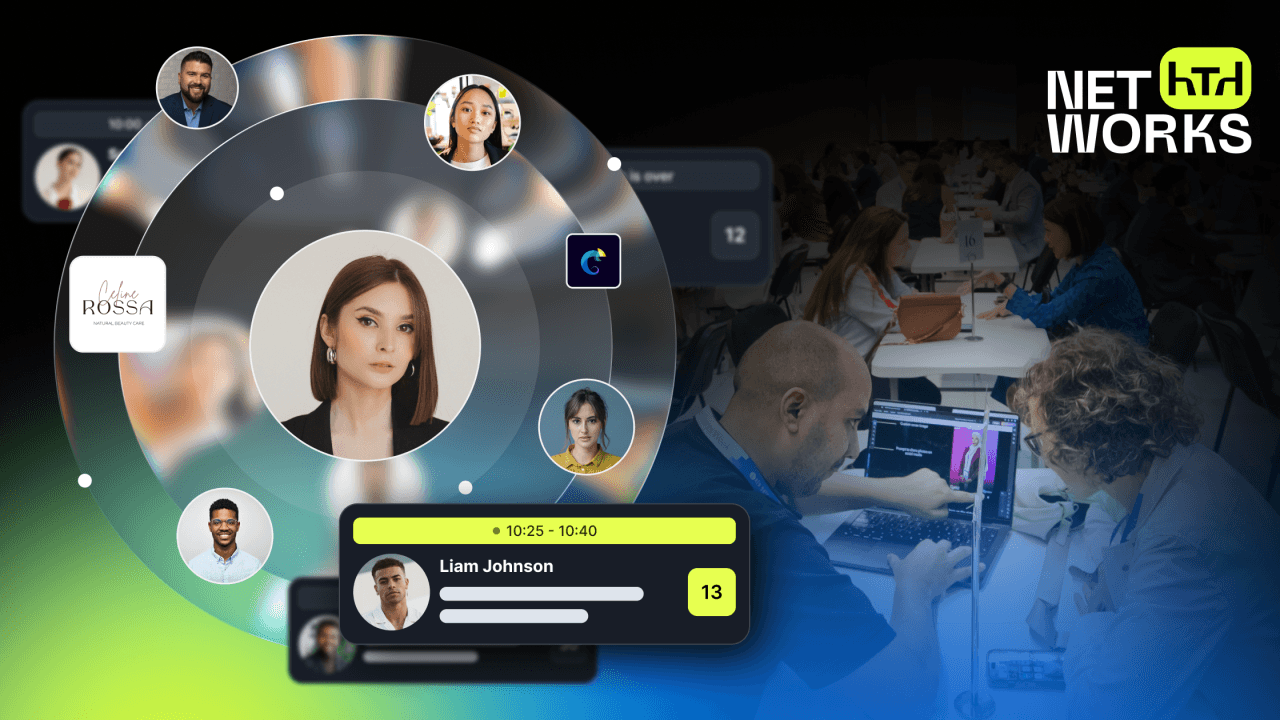
Traditional networking has been the core of events since their inception.
Exhibitors set up on the show floor and attendees approach those most relevant to them.
Simple? Yes. Effective? At one time maybe - but not anymore (at least not as effective as it can be.
Industry growth and technological advancements mean traditional event networking won't cut it anymore.
Recent studies have shown eventprofs are hungry for more advanced formats.
But why is the traditional method no longer feasible and what are the alternatives?
Is traditional event networking obsolete?
Not quite. But it can no longer be the main approach in how visitors use events to achieve their business goals.
Traditional networking means putting everyone in a space and letting them seek out relevant connections.
However, as attendee and exhibitor expectations rise, what was once the status quo is no longer feasible in today's industry.
The main expectation is that events produce more and better connections - both parties want to make sure events are worth their time and investment.
The duty falls to event organizers to enable this by ensuring high-value meetings occur in quantity and quality.
Traditional event networking can no longer be the main method of engagement - it must be part of a blended approach.
The industry-wide call for better event formats
This strongly suggests that industry members feel that traditional event networking alone is not sufficient.
The main drivers behind this call for more advanced formats are the need for greater engagement and interactivity.
Organizers need to respond to this call to action by providing more formats that improve these areas.
Fortunately, event tech has evolved to the point where these setups exist to increase engagement and improve overall interactivity.
These advancements directly correlate with eventprofs' need for better quality and quantity.
It is now up to organizers to provide visitors with meeting formats that fulfill such expectations.
Traditional event networking vs speed networking
Speed networking is a format designed to increase the quality and quantity of high-value connections.
It is a more purposeful option in an industry that is all about skipping the small talk, cutting to the chase and seeing if a valuable B2B connection can be made.
Traditional networking puts all the pressure and responsibility of forming the right connections on visitors.
But even with research, these engagements may not result in anything worthwhile.
Then there is the awkwardness when they realize the interaction has no value, yet find it difficult to end the conversation out of courtesy - wasting precious time.
This is where speed networking takes the pressure off - AI-powered match lists are generated so that connections are always relevant.
If on the off-chance there is a match that is less valuable than others, this can be determined quickly and then it's on to the next - without dragging out the conversation needlessly (no room for pesky human courtesies in these sessions).
The result - participants can be confident that all their engagements are relevant, time is maximized and more high-value connections are made.
Speed networking was once a supporting format - it is now more powerful.
From the blog
The latest industry news, interviews, technologies, and resources.
View all posts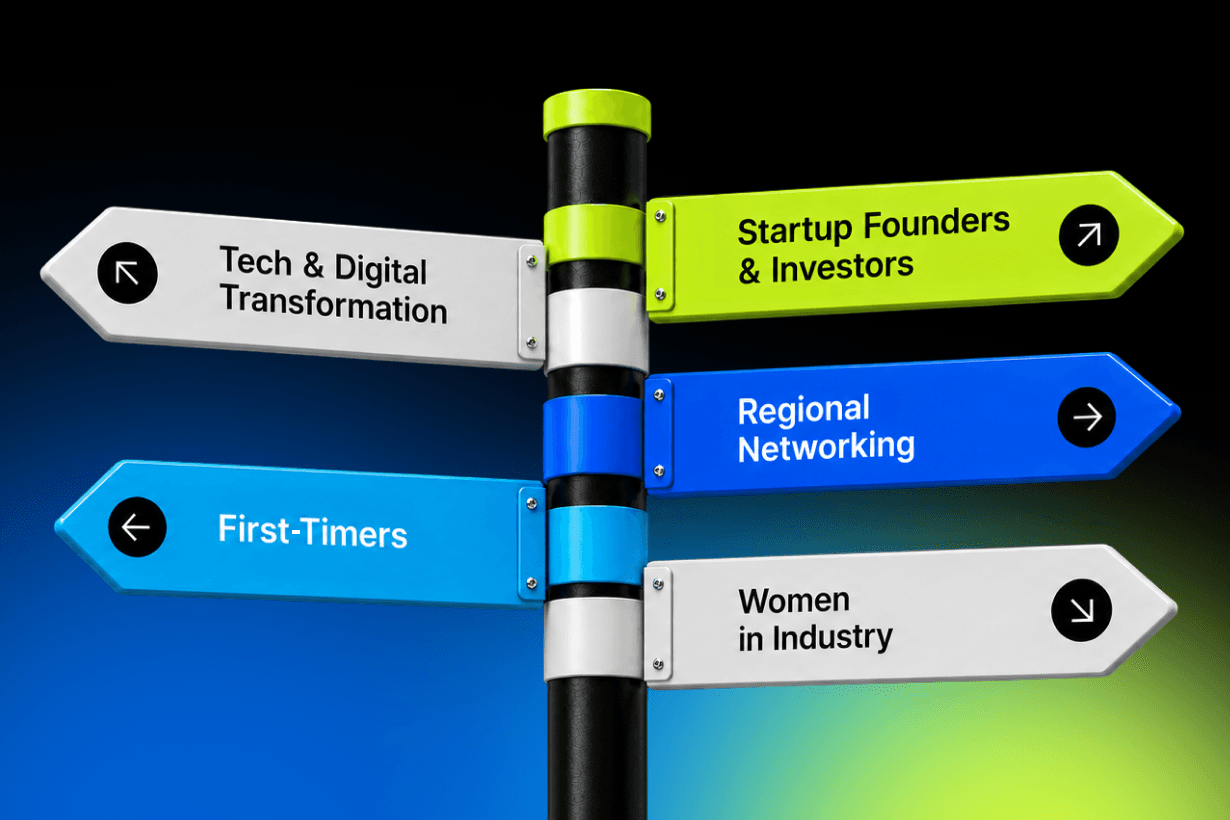
Networking
Nine ways to theme your networking session
Here are nine ideas for how you can theme a NetWorks networking session - but the options go way beyond these chosen few.

Monetization
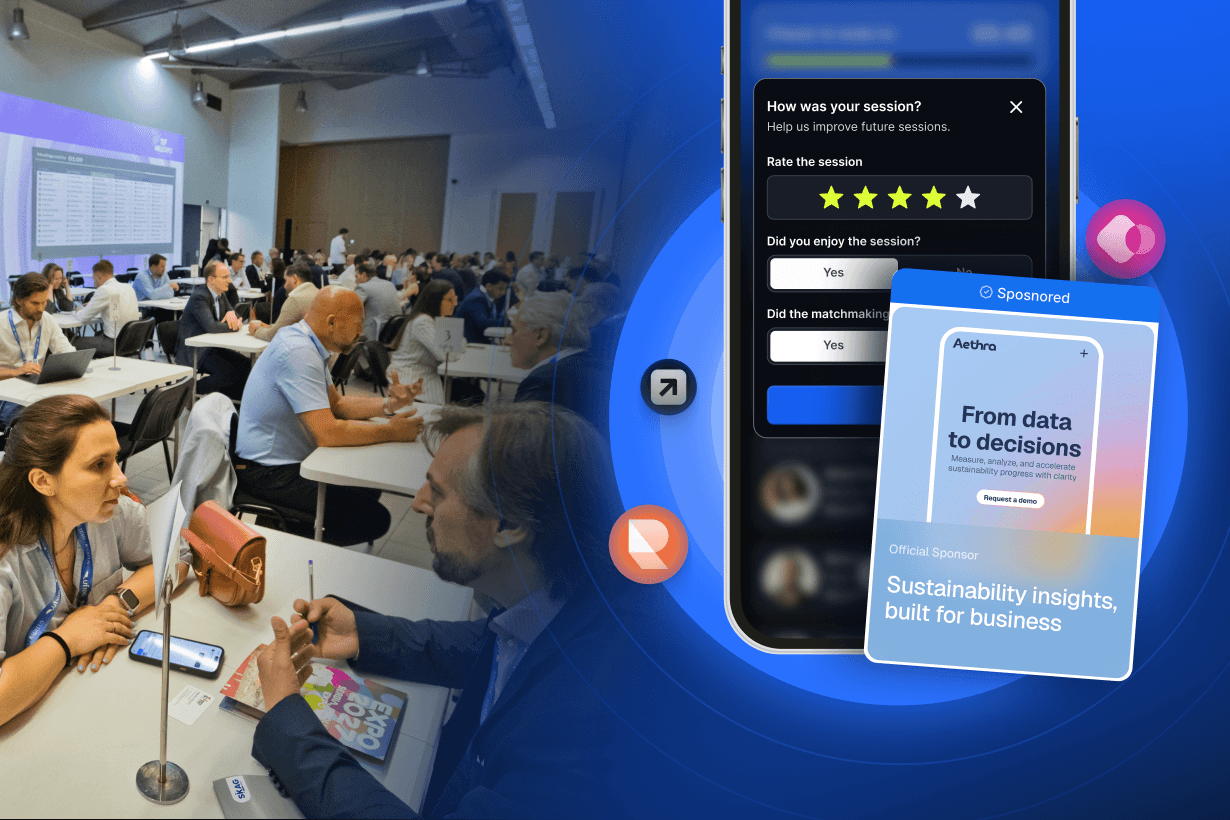
Turning sponsorship Into a pipeline, not a logo slot
Networking is the No.1 reason people attend. So why is sponsorship still sold on footfall and impressions?

Matchmaking
How NetWorks Actually Matches People
Running mutual relevance first means the strongest, highest-converting meetings, the ones two humans already asked for, get locked in before anything else competes for a seat at that table.