
Blog
Setting up structured networking without the admin headache

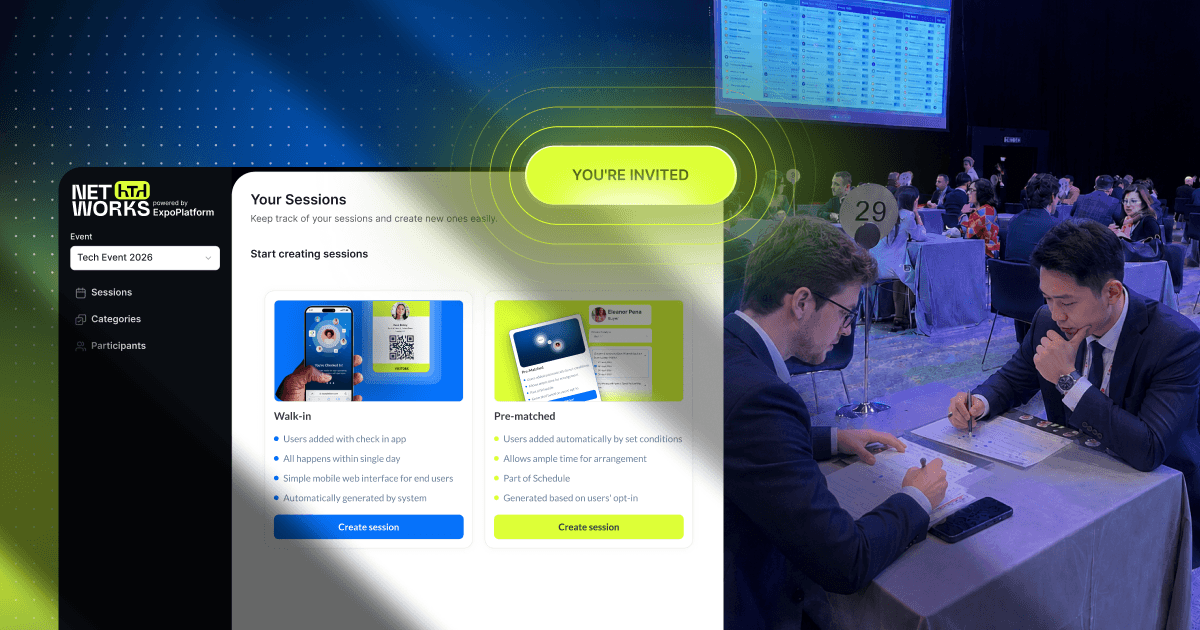
Structured networking is the events hack to increasing value and it starts at the very beginning.
Participants make only relevant connections and remove luck from the equation.
However, it can sound like a major implementation for organizers.
It may seem like they have to do a lot of manual work in putting together schedules, collecting match information and coordinating.
There is enough administration that goes into organizing an event without adding more - but this is not the case.
Modern matching technology removes those manual elements of the integration process.
It only needs a focused set of attendee information, a few clear rules and the available networking times.
Structured networking does not mean more administration.
Start with simple registration questions
Matching engines don't need a participant's biography - they need only the most important information and AI does the rest.
Most of this data is already gathered at the registration stage:
Job title
Company
Industry
Location
Attendee Type
Interests
If organizers want to refine this further, to add additional questions or want a specific direction for networking sessions, they can.
The aim is not to capture as much data as possible (that is a key mistake) - it's to gain the right data.
This ensures the right attendees connect with the right exhibitors and buyers meet with the correct suppliers.
The number of forms is reduced and the AI-powered matching engine can use this information to make the sessions themselves easier.
Matching parameters put organisers in control
Once participant information has been collected, organizers can easily define matching parameters without extensive administration.
This determines how the algorithm prioritizes which connections to form.
All the organizer has to do is provide the logic they want and the technology applies it when creating the session.
These rules can be directly aligned with the event's theme.
If Organizers want to make the session about thought leadership and connecting professionals to overcome industry challenges, they can add parameters to ensure this.
They may also want to apply certain exclusions - like ensuring that certain job roles aren't matched with each other based on historical data showing these don't result in high-value meetings.
Direct competitors will also not result in business opportunities, so rules can be put in place to prevent them from connecting unless the goal is industry collaboration.
Organizers may also want specific networking sessions to contain only professionals at a certain level and can outline these criteria.
They remain in control of these decisions while not needing to manage the actual integration.
That job is for the third-party facilitators and coordinators to implement and oversee the event organizer's vision, while the matchmaking engine applies it.
Automated scheduling removes the manual work
Finding relevant matches is only the first step - attendees also need a clear time and place to meet.
Even a relatively small networking session can involve hundreds of availability checks, meeting requests, room allocations and diary conflicts.
The automated scheduling tools handle these variables with ease.
Organizers define the networking windows, meeting length, available capacity and any scheduling rules.
The platform can then assign meetings based on attendee availability and accepted connections.
Organizers can signal how they want the schedule to be designed around the wider event agenda.
Each participant receives a personalized schedule showing who they are meeting, where the meeting will happen and when they need to arrive.
They can optimize this further by declining certain meetings, disliking matches or making manual requests before the final schedule is finalized.
This removes the need for direct organizer involvement and constant diary coordination.
Less admin enables more valuable experiences
Reducing the operational burden does more than save time - it enables organizers to focus on the parts of the event experience that benefit most from their attention.
Attendees gain a clearer reason to participate because they know relevant meetings are built into their schedule.
Exhibitors and sponsors receive more direct access to suitable prospects.
Rather than promising a room full of potential contacts, organizers can offer a process designed to help participants find the right ones.
Structured networking creates more measurable outcomes for all involved.
The insights gathered provide a clearer picture of networking engagement than attendance figures or general footfall alone.
Structured networking may appear difficult when imagined as a manual process.
But with the right matching engine, it does not need to involve endless spreadsheets, coordinating individual diaries or hours spent reviewing attendee profiles.
It can be simple to set up, easy to scale and straightforward for attendees to use.
With minimal input from organizers, technology can turn registration data into relevant matches, organized schedules and higher-value event experiences.
Better networking does not have to mean more administration.
From the blog
The latest industry news, interviews, technologies, and resources.
View all posts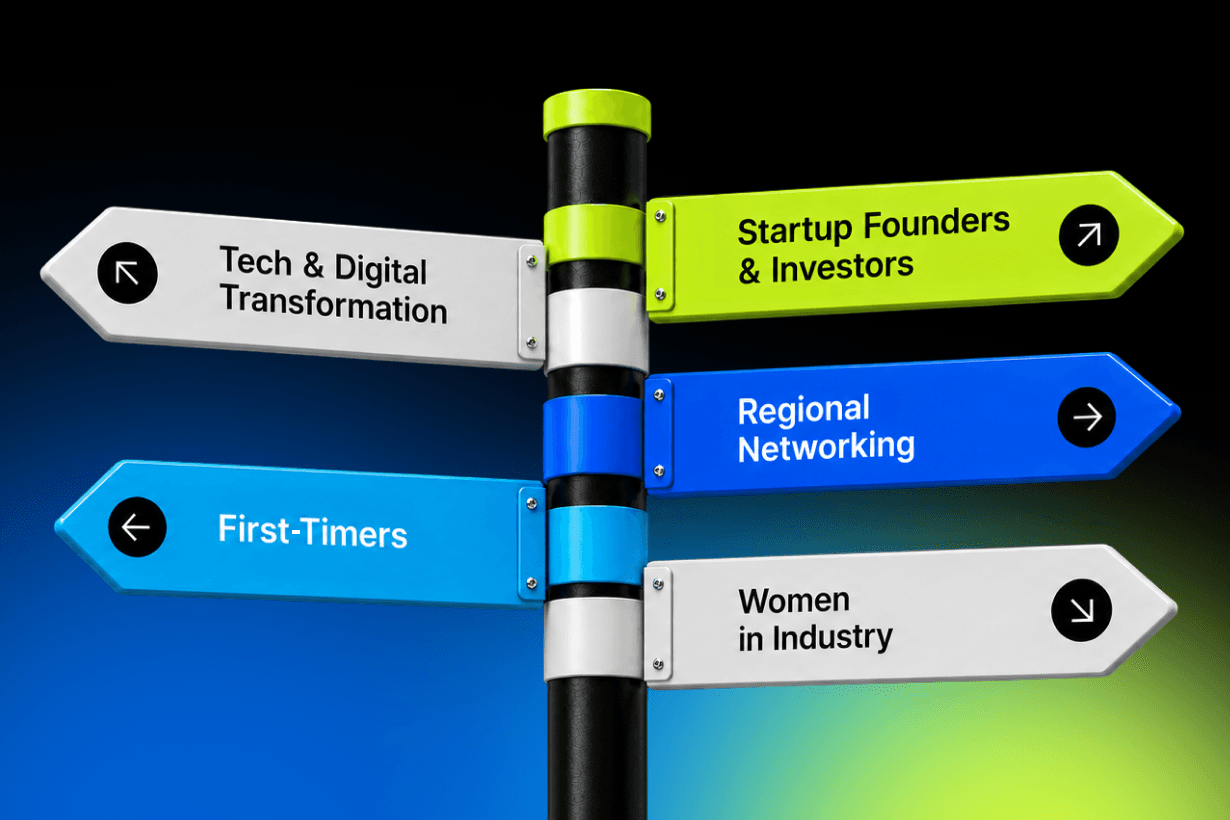
Networking
Nine ways to theme your networking session
Here are nine ideas for how you can theme a NetWorks networking session - but the options go way beyond these chosen few.

Monetization
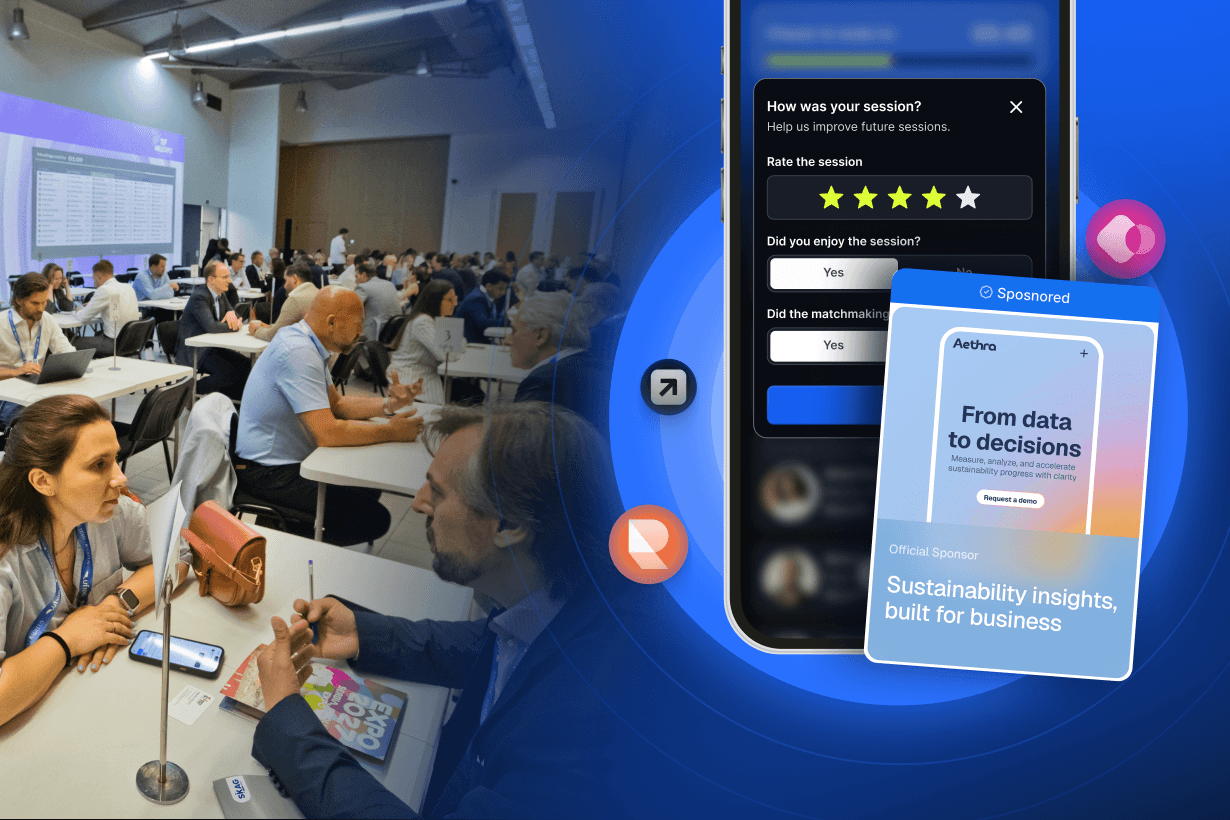
Turning sponsorship Into a pipeline, not a logo slot
Networking is the No.1 reason people attend. So why is sponsorship still sold on footfall and impressions?

Matchmaking
How NetWorks Actually Matches People
Running mutual relevance first means the strongest, highest-converting meetings, the ones two humans already asked for, get locked in before anything else competes for a seat at that table.