
Blog
Designing sponsorship packages for B2B and B2C events


Effective sponsorship packages are essential for maximizing return on investment (ROI) and boosting brand visibility at both B2B and B2C events.
This article lays out practical strategies and best practices for building those packages.
Event professionals routinely face the challenge of creating offers that appeal to varied audiences - missing opportunities for revenue and meaningful connections.
Organizers can use advanced tools to tailor sponsorship to the specific needs of their B2B or B2C markets.
This guide covers approaches to increase ROI, proven best practices for package design and the primary benefits sponsorship delivers.
How to use strategic sponsorship packages to maximize ROI
Driving stronger ROI from sponsorship packages means using targeted strategies that increase value for sponsors and organizers alike.
Organizers can create data-driven options - leveraging analytics to map audience preferences and behaviors so that sponsors can align with what attendees want.
Advanced AI-powered algorithms enable sponsors to place their ads in front of the right audiences.
They can also leverage interactive formats to capture visitor attention and increase visibility.
Sponsors can measure ROI using several metrics, including:
Brand awareness: changes in recognition and recall tracked through pre- and post-event surveys.
Engagement: interaction metrics such as booth visits, session attendance and social mentions that indicate sponsor reach.
Lead generation: the quantity and quality of leads captured during the event - which offer a tangible view of sponsorship performance.
These tactics not only make sponsorship packages more effective but also help deepen relationships between sponsors and event organizers.
More broadly, AI and predictive analytics are reshaping marketing strategies and strengthening sponsorship ROI by enabling smarter, faster decisions.
What are the key benefits of event sponsorship for B2B and B2C events?
Event sponsorship only works when it delivers tangible outcomes - whether it's brand enrichment or commercial return.
Ensure the benefits are clear with premium features and ad positioning.
Sponsorship strengthens visibility and engagement by pairing tailored packages with digital channels and hands-on experiences.
When sponsorships reflect audience interests, they create meaningful connections that resonate.
B2B packages revolve around high-quality lead generation and market positioning.
B2C sponsorship focuses on brand awareness, brand connection and product promotion.
Sponsors themselves benefit from associating with well-run events and credible brands.
How do sponsorship expectations differ across the event lifecycle?
Sponsorship expectations change at each stage of the event lifecycle - packages need to reflect that progression clearly.
Sponsors tend to focus on awareness, audience targeting and early visibility before the event.
This is where pre-event email campaigns, social promotion, content placement and featured listings can help build momentum.
During the event, attention shifts to engagement and live interaction.
Sponsors want opportunities that put them in front of attendees in meaningful ways - whether through branded spaces, speaking opportunities, product demonstrations or interactive activations.
Post-event, the emphasis moves to reporting, lead quality and long-term value.
Sponsors expect follow-up opportunities and clear evidence of performance against agreed objectives.
Designing packages that span the full event lifecycle helps organizers create more well-rounded offers.
It also gives sponsors a clearer view of how value is delivered before, during and after the event itself.
Why brand-event aligned sponsorship packages matter in B2B and B2C environments
Strong sponsorship outcomes don't depend solely on visibility but also on how well it aligns with the event itself.
Brand alignment matters because audiences respond more positively when a sponsor feels relevant and credible.
When there is a clear connection between the sponsor, the event theme and attendee interests, the partnership is more likely to create trust and engagement.
In B2B events, this alignment supports lead quality and industry positioning.
Sponsors are more effective when their services, expertise or solutions align with the priorities of the professional audience they aim to reach.
For B2C events, alignment helps create stronger brand affinity and a more natural connection with consumers.
Sponsorship feels more authentic when the brand aligns with the event's lifestyle, values or interests.
Organizers who focus on alignment with sponsors can improve their performance and protect the attendee experience.
Well-matched partnerships are easier to position, easier to activate and more likely to deliver lasting value for both sides.
Get in touch with NetWorks to start aligning premium sponsorship packages with premium networking sessions designed for B2B and B2C events.
From the blog
The latest industry news, interviews, technologies, and resources.
View all posts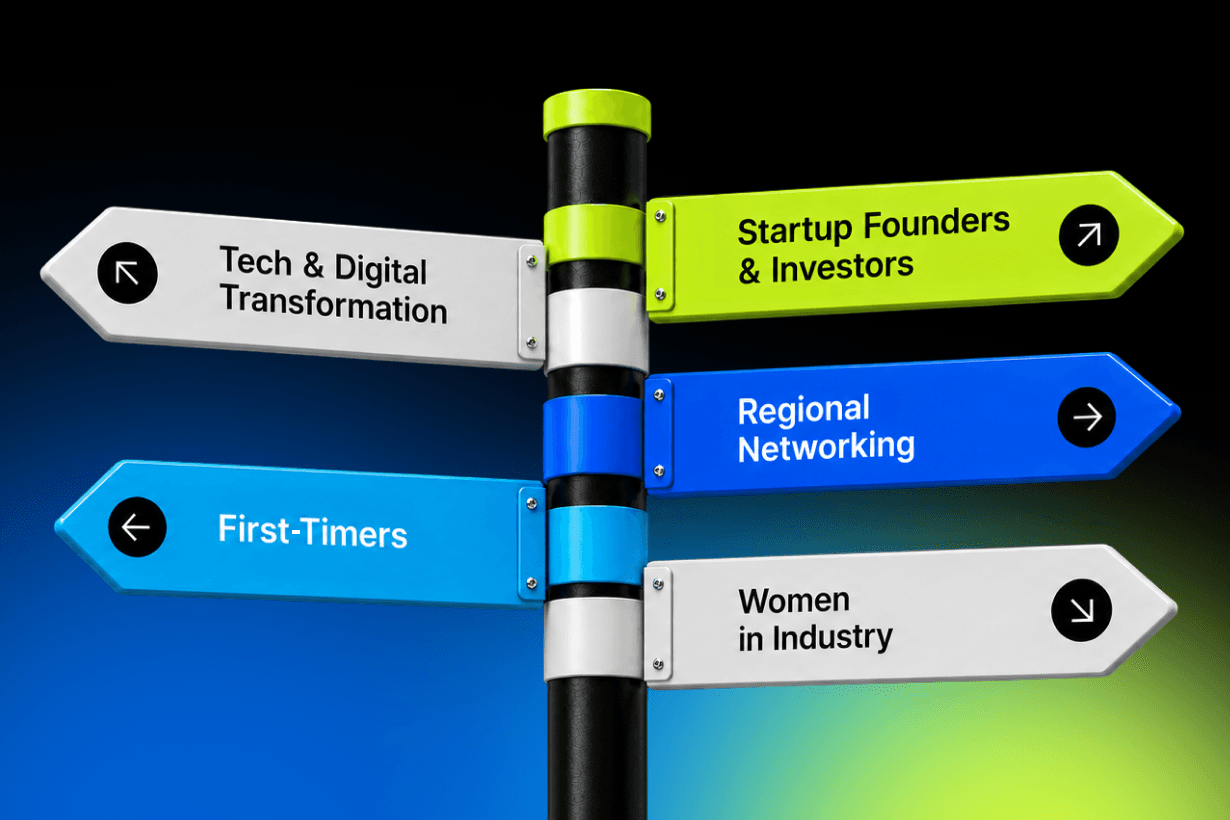
Networking
Nine ways to theme your networking session
Here are nine ideas for how you can theme a NetWorks networking session - but the options go way beyond these chosen few.

Monetization
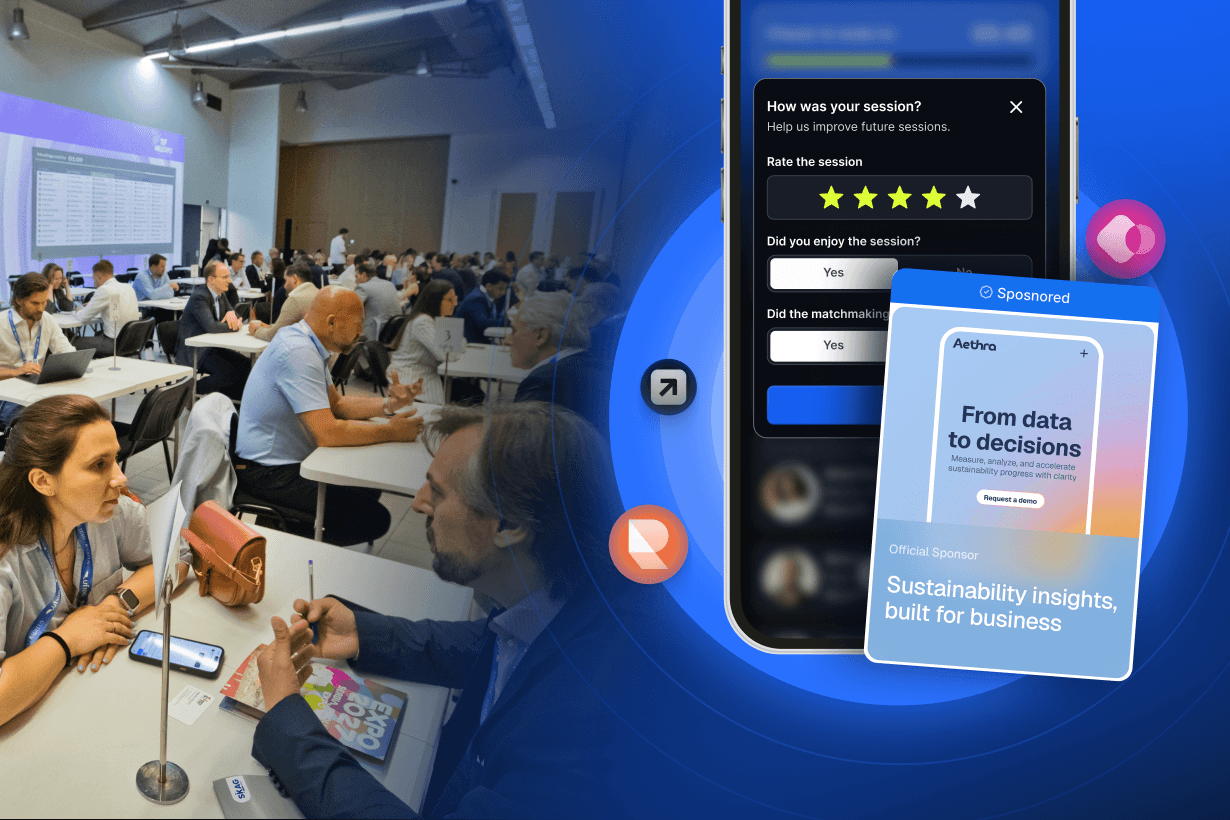
Turning sponsorship Into a pipeline, not a logo slot
Networking is the No.1 reason people attend. So why is sponsorship still sold on footfall and impressions?

Matchmaking
How NetWorks Actually Matches People
Running mutual relevance first means the strongest, highest-converting meetings, the ones two humans already asked for, get locked in before anything else competes for a seat at that table.